Is the battery party over?
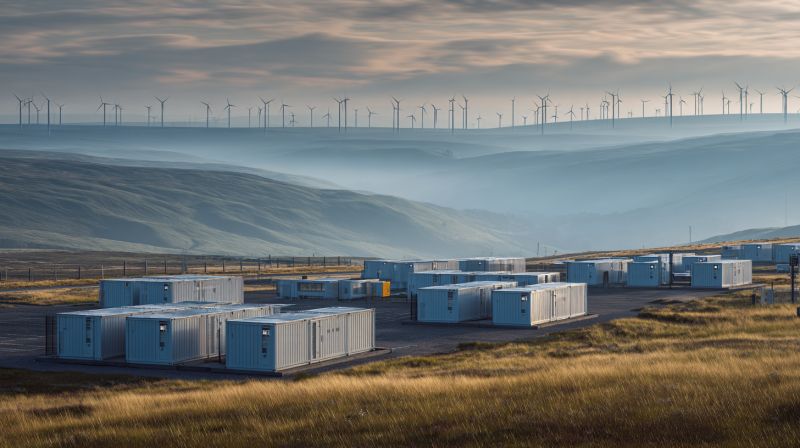
Callum sent me a headline on Thursday with a single question.
“Norway’s oil fund says battery storage values have fallen significantly. Too much competition. Is the party over?”
September’s figures suggest otherwise. GB battery revenues reached £99k per MW per year, up 74% from £57k in August and the highest since December 2022. Day-ahead spreads widened to £122/MWh, around 50% higher than the previous month. Expensive gas pushed up prices at the top of the curve, while returning wind generation drove the bottom below zero.
“So the fund’s wrong?”
Not necessarily. Both can be true. Volatility is increasing, but ordinary batteries are competing with an ever-growing number of similar assets for the same trading opportunities.
“Then who’s winning?”
Four Scottish batteries earned £140–146k in September, compared with £104k for the two-hour index. They charged when the system operator needed somewhere to put surplus power, then sold it later into the wholesale market. Their advantage came from location rather than chemistry.
There is still plenty of demand going unmet. For every megawatt-hour of battery energy offered below the price of gas that the operator accepted, it left more than ten unutilised.
“So build in Scotland.”
We are. Contracts have just gone out for 34 MW at Dounreay in Caithness. That makes sense, although a two-hour battery there still depends on the control room accepting its bid. And a windy spell in northern Scotland can last considerably longer than two hours.
I think there is a case for going further. Pair the battery with a few megawatts of containerised compute and six to eight hours of energy storage, managed by software that decides hour by hour whether each available megawatt is better used by the servers, stored for later or exported to the grid.
The problem with conventional battery revenues is that too many assets are chasing the same opportunities. Adding flexible demand on site gives the operator another use for the electricity, particularly when grid export is constrained or wholesale prices are unattractive. It won't eliminate competition, but it changes the economics of the site.
“And if volatility eases?”
September is only one month, so I wouldn't build an investment case around it. The longer-term shift towards weather-dependent generation and fewer conventional spinning machines is more significant, although the revenue available to storage will still depend on how the market develops.
Norway's fund has a legitimate concern about the valuation of conventional battery assets. The question for us is whether combining storage, flexible compute demand and the right location can produce better returns than another standalone two-hour battery.
That is what we need to demonstrate at Dounreay.