Why long money doesn’t go where the curtailment is
Tom forwarded the French deal on Thursday with one question.
“Two 100 MW, four-hour batteries in Calvados and the Pyrenees, sold before construction to an owner entering its seventh market. Both pitched on their transmission connections. The same week, two Finnish batteries close long-term bank debt, with a utility tolling part of the output. Why does long money never go where the curtailment is?”
Because it is doing its arithmetic properly.
Behind the Scottish constraint, analysts reckon a battery has three to five years of strong balancing income before grid reinforcements after 2030 start to erode it. The contracts lenders like run longer: recent British tolls and floors span seven to ten years. A credit committee sees a premium that could disappear halfway through the loan.
“So the constraint is unfinanceable?”
For a standalone battery with a fifteen-year investment horizon, it is a difficult proposition. Some of Britain’s most valuable flexibility sits where patient capital is least comfortable.
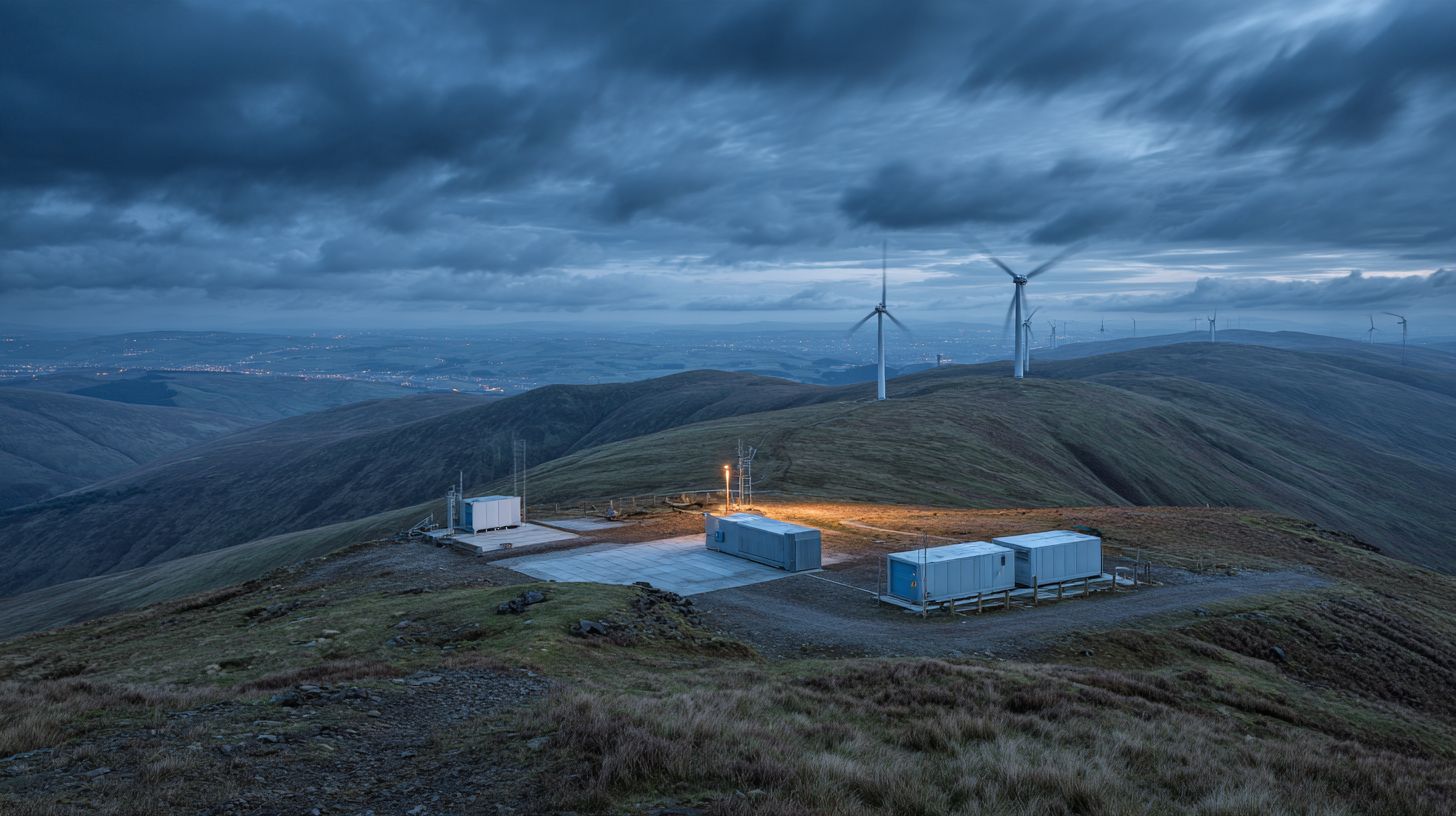
There may be a better fit. Compute hardware is replaced every few years anyway. Put a few megawatts of containerised compute at a curtailed node, with six to eight hours of storage and a control layer that forecasts the wind and adjusts the servers’ workload. The hardware’s replacement cycle roughly matches the life of the opportunity. Future modules can be deployed wherever the next constraint emerges, and wind is still connecting faster than the wires needed to carry it.
The load matters as much as the storage. During a long windy spell, a battery on its own fills up and waits for export capacity. Servers keep drawing power.
“And the timing?”
If the window is three to five years, a year’s delay uses up a fifth to a third of it. That leaves little room for a development process built around a much longer earning life.
The French and Finnish deals make sense on their own terms. Volatility is climbing, and the system needs batteries commissioned sooner. At a constrained Scottish node, the harder task is to structure an investment that can earn its return while the constraint premium is still there.